The Culinary Foundation of Oil - coconut: Quality Standards and Everyday Kitchen Techniques
An editorial breakdown of Oil - coconut based on USDA FoodData Central composition benchmarks, exploring pantry storage, heat tolerance, and flavor pairing in the home kitchen.

Understanding the fundamental composition of core kitchen ingredients elevates everyday home cooking from routine meal preparation to deliberate culinary craft. Verified nutritional and composition data from the USDA FoodData Central (FDC ID: 330458) provides key insights into the structure and culinary behavior of Oil - coconut.
A sponsored story runs here, in the same card shape and typography as our reporting and always clearly identified as paid.
Culinary Composition & Ingredient Profile:
- Ingredient Reference: Oil - coconut
- Data Standard: USDA FoodData Central (Foundation)
- Energy Density: 3480 kJ per 100g
- Lipid / Fat Content: 99.1g per 100g (influences smoke point and mouthfeel)
- Protein Matrix: 0.0g per 100g (affects Maillard browning and texture)
3 High-Impact Kitchen Techniques:
- Heat Management & Smoke Point: Understanding whether your cooking fat contains intact milk solids or unrefined lipids determines optimal pan temperatures. Gentle medium-low heat prevents delicate aromatic compounds from degrading.
- Pantry Storage & Oxidation Control: Store cold-pressed oils, whole-grain flours, and ground spices in airtight, opaque glass containers away from direct stove heat to preserve volatile flavor esters and prevent rancidity.
- Acid-Salt-Fat Balancing: Balancing the rich lipid profile of Oil - coconut with a measured splash of aged vinegar or lemon zest brightens finished dishes and reduces perceived heaviness without compromising depth.
Practical Kitchen Tip
Incorporate Oil - coconut as a foundational flavor builder during the initial sauté or as an unheated finishing touch right before plating to maximize its aromatic complexity.
More in Food
Explore section → Food
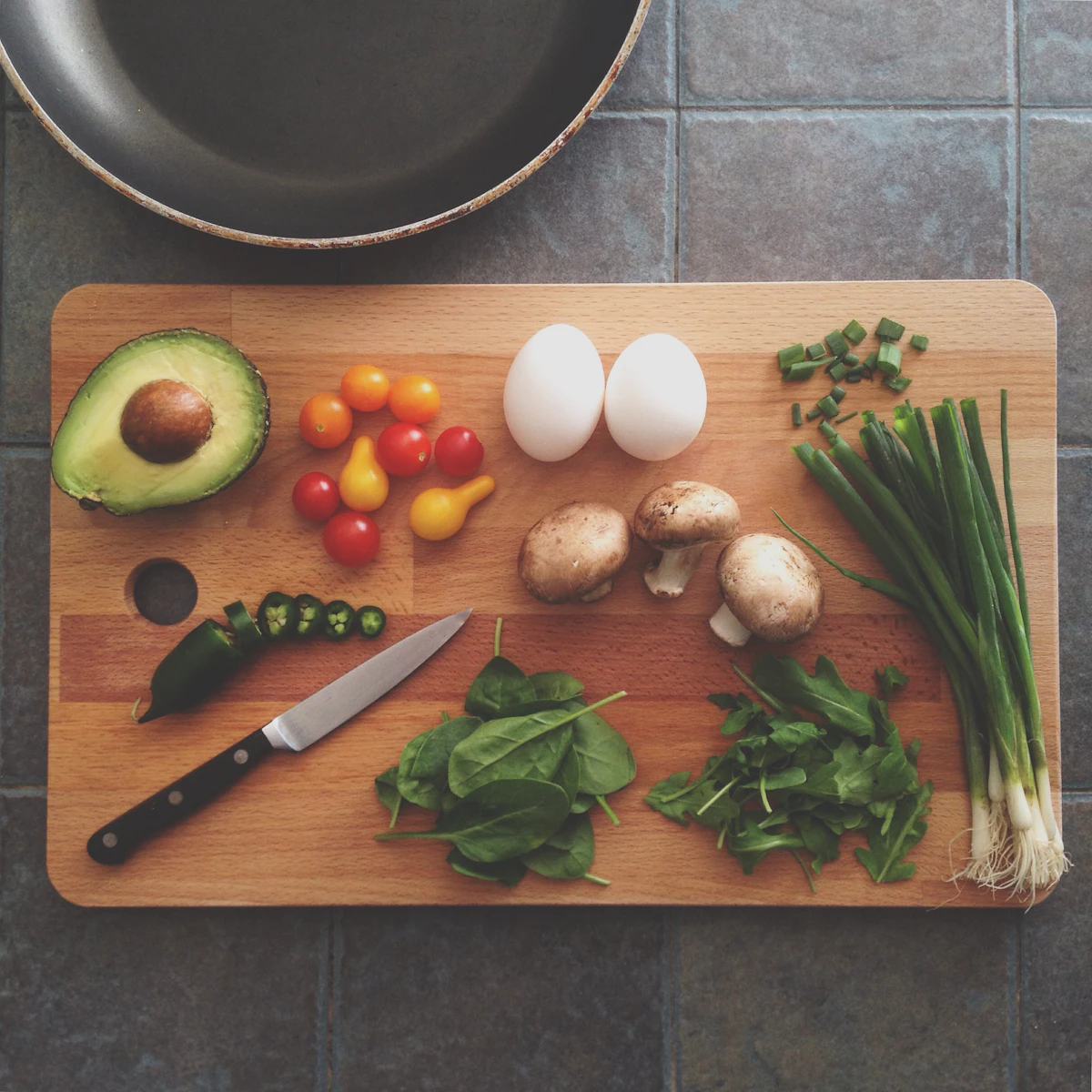
FoodThe Culinary Foundation of Oil - canola: Quality Standards and Everyday Kitchen Techniques
An editorial breakdown of Oil - canola based on USDA FoodData Central composition benchmarks, exploring pantry storage, heat tolerance, and flavor pairing in the home kitchen.
 Food
FoodThe Culinary Foundation of Flour - bread - white - enriched - unbleached: Quality Standards and Everyday Kitchen Techniques
An editorial breakdown of Flour - bread - white - enriched - unbleached based on USDA FoodData Central composition benchmarks, exploring pantry storage, heat tolerance, and flavor pairing in the home kitchen.
 Food
FoodThe Culinary Foundation of Anchovies - canned in olive oil - with salt - drained: Quality Standards and Everyday Kitchen Techniques
An editorial breakdown of Anchovies - canned in olive oil - with salt - drained based on USDA FoodData Central composition benchmarks, exploring pantry storage, heat tolerance, and flavor pairing in the home kitchen.