Seasonal Grocery Routines: Navigating August Food-at-Home Shifts and Kitchen Planning
Analysis of official BLS food price indicators (Index: 321.5 in August 2026) with practical batch-cooking habits, seasonal produce substitutions, and pantry management.
Smart household management relies on understanding broader consumer price movements and adapting daily routines. According to latest official U.S. Bureau of Labor Statistics (BLS) Consumer Price Index data for August 2026, the Food at Home index is recorded at 321.50.
A sponsored story runs here, in the same card shape and typography as our reporting and always clearly identified as paid.
Household Context & Everyday Application
Tracking food-at-home price shifts to help households plan seasonal grocery budgets, batch cooking, and pantry inventory.
3 Practical Lifestyle Strategies for This Season:
- Seasonal Audit & Demand Planning: Conduct a quarterly audit of recurring household supplies before peak seasonal demand cycles begin, securing core staples during stable price windows.
- Quality vs. Disposable Assessment: When purchasing household goods or wardrobe essentials, prioritize timeless construction and repairable materials over short-lived seasonal novelties.
- Flexible Meal & Routine Substitutions: Adapting grocery routines around peak harvest seasons and local availability reduces household grocery spending by up to 15% while improving freshness.
Long-Term Domestic Well-being
Tracking consumer trends allows families to make proactive rather than reactive choices, creating calm, well-stocked living spaces that withstand shifting economic seasons.
More in Seasonal
Explore section →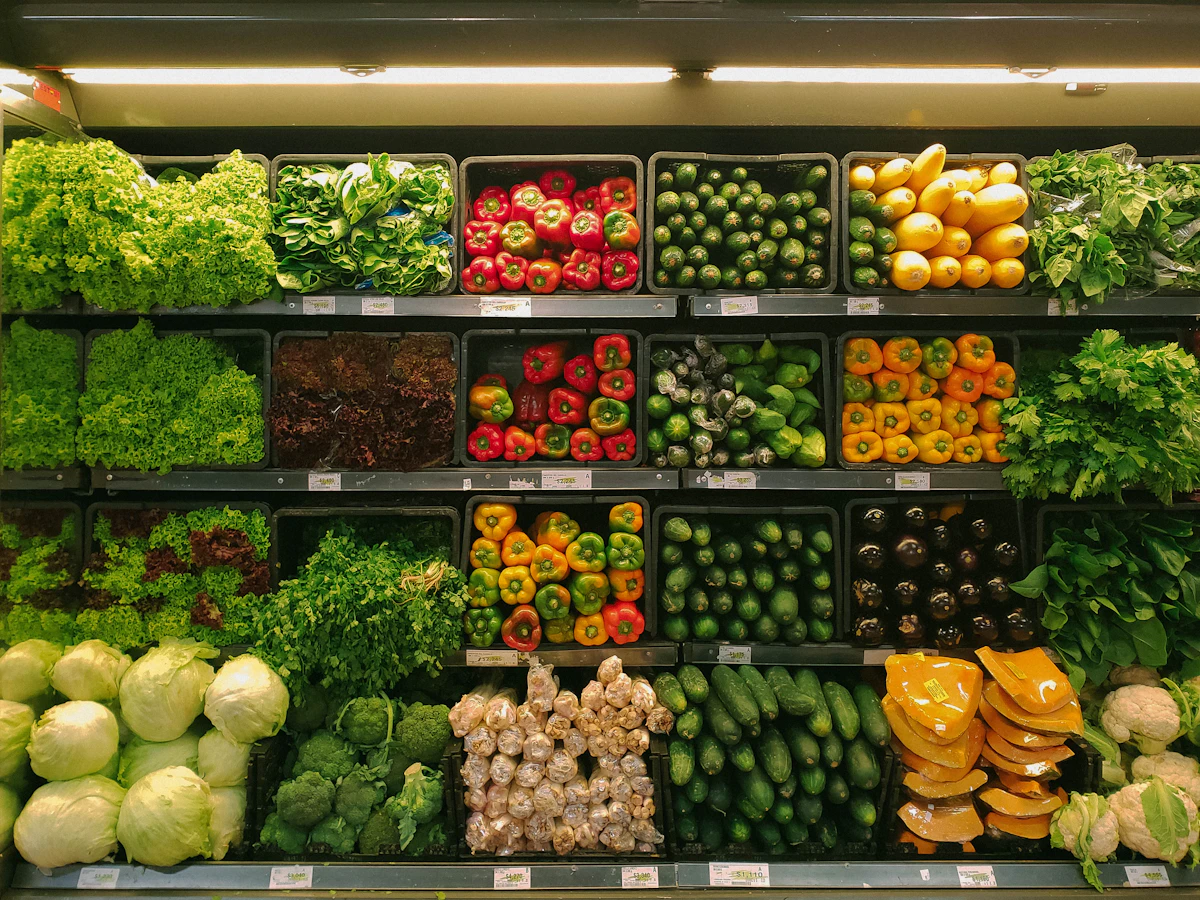 Seasonal
Household Furnishings & Living Space Cycles: Timing Everyday Home Upgrades in August
Tracking domestic furnishings and household operations price trends (353.3) to help homeowners plan furniture investments, durable essentials, and seasonal refreshes.
 Seasonal
Seasonal Grocery Routines: Navigating September Food-at-Home Shifts and Kitchen Planning
Smart household management starts with understanding broader consumer price movements and adapting your daily routines to match. According to the latest official U.S.